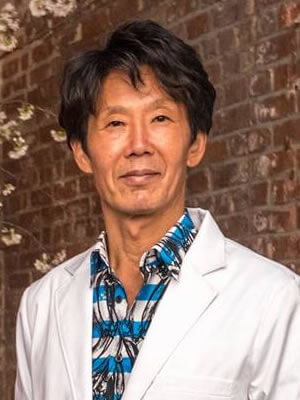
Facial injuries, medical treatments, congenital differences, and previous surgeries can affect both appearance and essential functions. Edmund Kwan, M.D., provides facial reconstruction surgery for patients in New York City, Queens, and Flushing, New York, as well as Fort Lee, New Jersey. With extensive experience in plastic and reconstructive surgery, Dr. Kwan carefully evaluates facial anatomy and each patient’s concerns to develop a surgical approach focused on restoring function, structure, balance, and natural-looking facial contours.
What types of facial injuries, medical conditions, or deformities can be treated with facial reconstruction surgery?
Facial reconstruction can address concerns resulting from accidents, burns, fractures, congenital differences, cancer treatment, scarring, and previous surgeries. Treatment may involve the skin, underlying soft tissues, cartilage, or bone. The appropriate approach depends on which structures have been affected and the extent of the damage or deformity.
Real Patients, Real Results Before and After Done By Dr. Kwan


How can facial reconstruction restore both appearance and important facial functions?
Facial structures work together to support functions such as breathing, eating, speaking, blinking, and facial expression. Reconstruction may repair or reposition damaged tissues to improve function while also restoring facial proportions. Dr. Kwan considers these functional and aesthetic goals together when developing a surgical plan.
When is facial reconstruction recommended after an accident, trauma, or previous surgery?
Timing depends on the type and severity of the injury, overall health, previous treatment, and how tissues are healing. Some injuries require prompt repair, while other reconstructive procedures are performed after swelling subsides or healing progresses. Dr. Kwan can assess previous treatment and current facial structures to determine an appropriate approach and timing.
Different techniques of facelift explained by Dr. Edmund Kwan

What is the most popular type of facelift?
There are several different techniques when it comes to facelift. The technique that I use, and this is the most popular and most effective facelift. It is lifting the skin and the underlying muscle as well. As we call this muscle SMAS (subcutaneous muscular aponeurotic system)
What is SMAS tightening?
What this does is it also tightens the muscle underneath not only the skin, and this adds to the longevity of the results.
What are the other types of facelifts?
There are other facelift types of operations short scar facelift referred to as mini lifts these are for patients who have a little bit of loosening and want a little tightening.
The disadvantage of these is that they don’t last long and does not lift the neck these can be done on some patients that are younger and patients that don’t want bigger surgery.
Whatever your specific areas of concern are, Dr. Kwan has the expertise to devise the appropriate treatment plan to restore a more youthful appearance. Call Us (212) 734-4488
Can facial reconstruction repair changes caused by skin cancer or head and neck cancer removal?
Reconstructive surgery may be used to repair defects remaining after removal of cancerous tissue. Depending on the location and extent of tissue loss, treatment may focus on restoring skin coverage, facial contours, symmetry, or function. Reconstruction is individualized according to the affected area and the patient’s medical and surgical needs.
What techniques can rebuild damaged facial skin, bone, cartilage, nerves, or soft tissue?
Facial reconstruction may involve techniques such as tissue rearrangement, skin grafting, local or regional flaps, scar revision, cartilage grafting, or bone reconstruction. More complex cases may require multiple techniques or staged procedures. Edmund Kwan, M.D., evaluates the tissues involved and selects techniques suited to the patient’s anatomy and reconstructive goals.
Can facial reconstruction improve scars or asymmetry from an old injury or previous procedure?
Yes, certain scars and areas of facial asymmetry may be improved through reconstructive surgery. Scar revision can help make some scars less noticeable, while other techniques may address contour irregularities or tissue deficiencies. Complete elimination of a scar is generally not possible, making realistic expectations an important part of treatment planning.
How does a facial reconstruction surgeon plan for natural-looking, balanced results?
Planning begins with a detailed evaluation of facial proportions, symmetry, tissue quality, function, and the structures requiring reconstruction. Dr. Kwan considers how the treated area relates to surrounding features rather than viewing it in isolation. The goal is to restore the affected area while maintaining facial balance and achieving results that complement the patient’s natural anatomy.
Every need for facial reconstruction is different, whether treatment follows an injury, medical condition, cancer surgery, or previous procedure. Edmund Kwan, M.D., provides careful evaluation and reconstructive planning for patients in New York City, Queens, and Flushing, New York, and Fort Lee, New Jersey. Call (212) 734-4488 to schedule a consultation and discuss your functional and appearance goals.